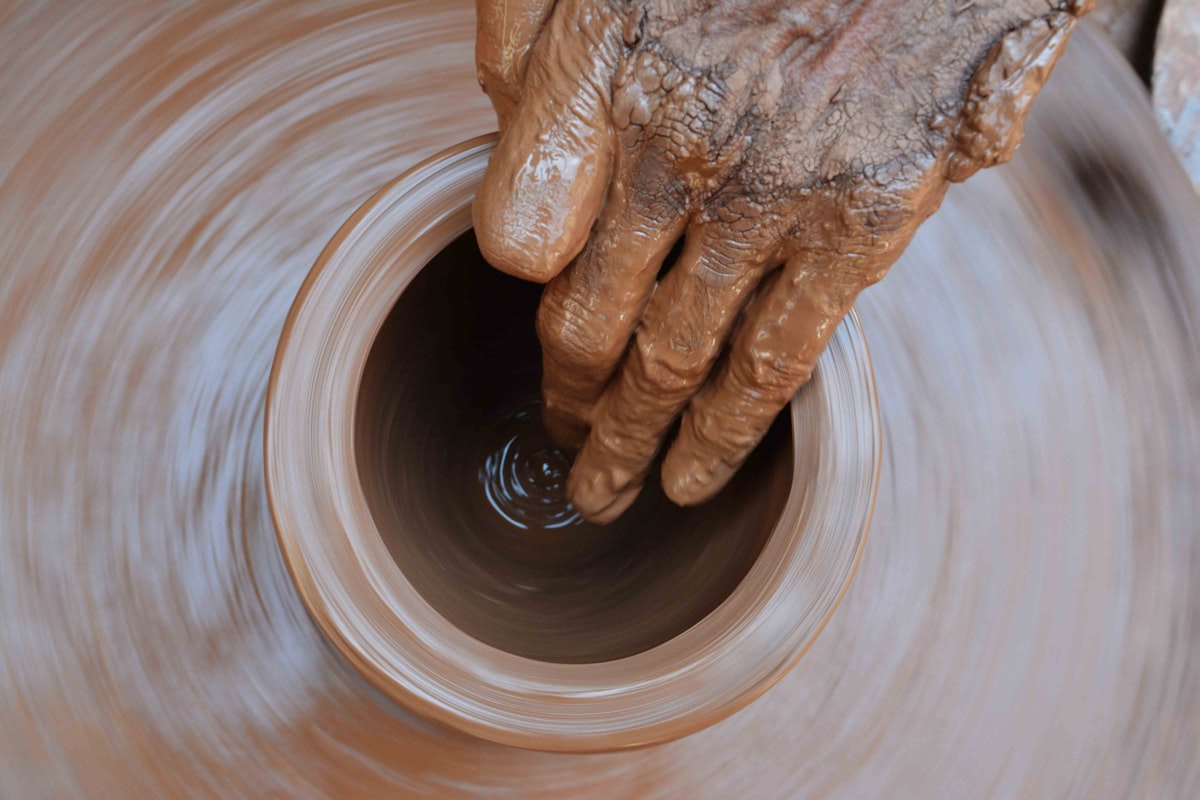
How It’s Made
Wedging: Where Every Pot Begins
Before a single pot is shaped, the clay must be prepared. Wedging is the quiet, physical ritual that makes everything else possible.
How handmade ceramics are made — and the people whose lives are changed by making them.
Before a single pot is shaped, the clay must be prepared. Wedging is the quiet, physical ritual that makes everything else possible.
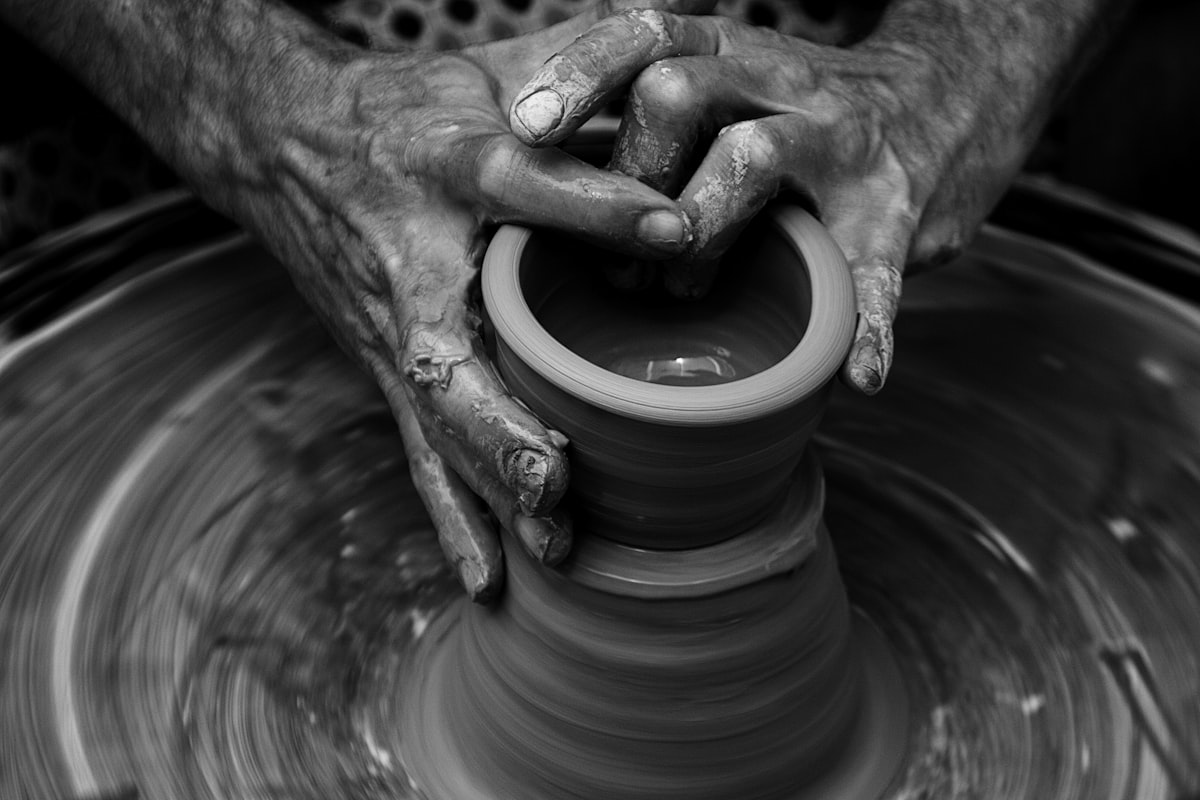
The most recognisable moment in pottery — a spinning lump of clay rising into a vessel under a maker’s hands.
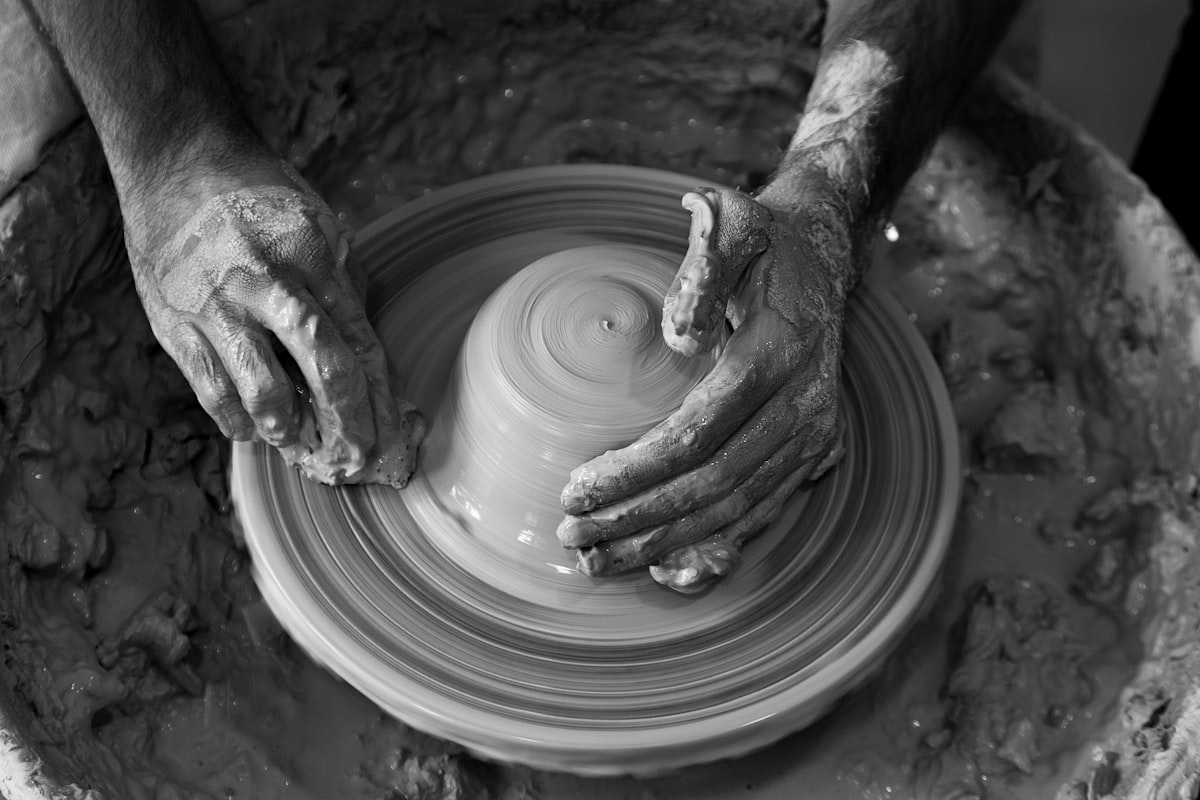
No wheel, no tools — just a ball of clay, two hands, and thousands of years of human history.
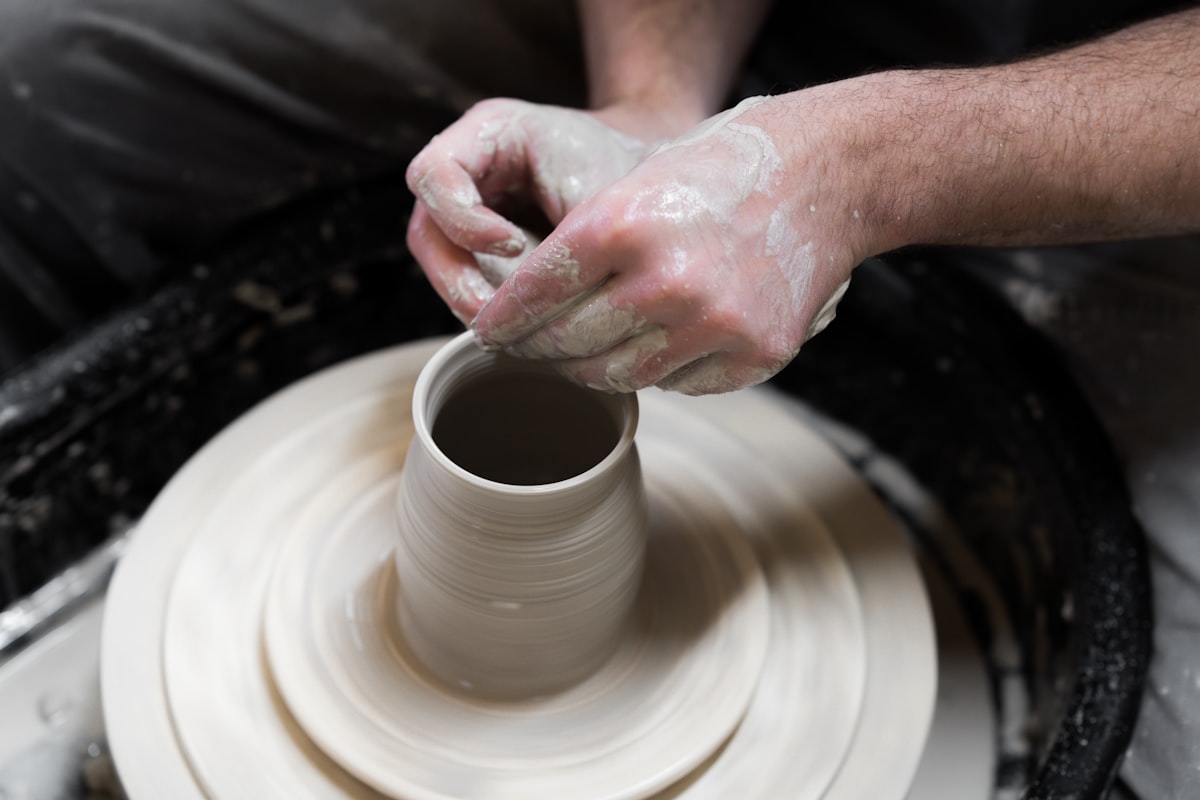
Long ropes of clay, stacked and smoothed, can build forms far larger than any wheel allows.
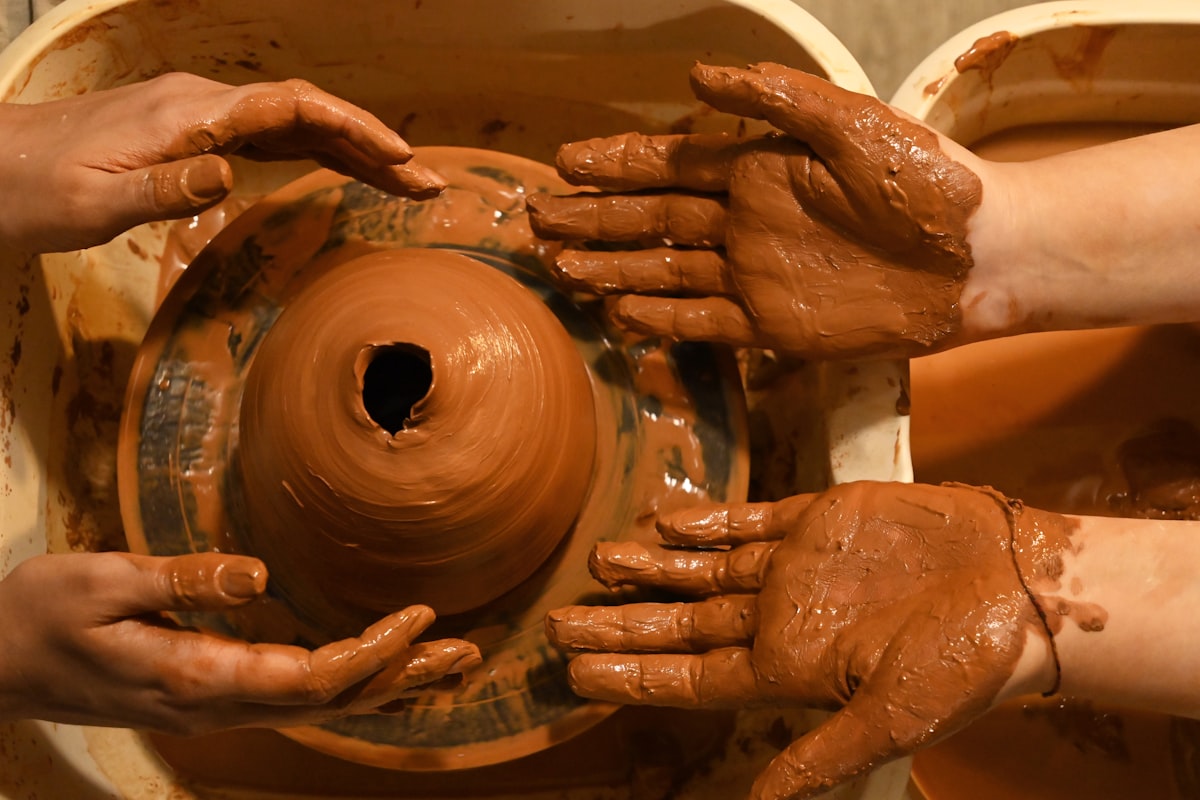
Flat sheets of clay, cut and joined like a tailor cuts cloth, become crisp, architectural forms.
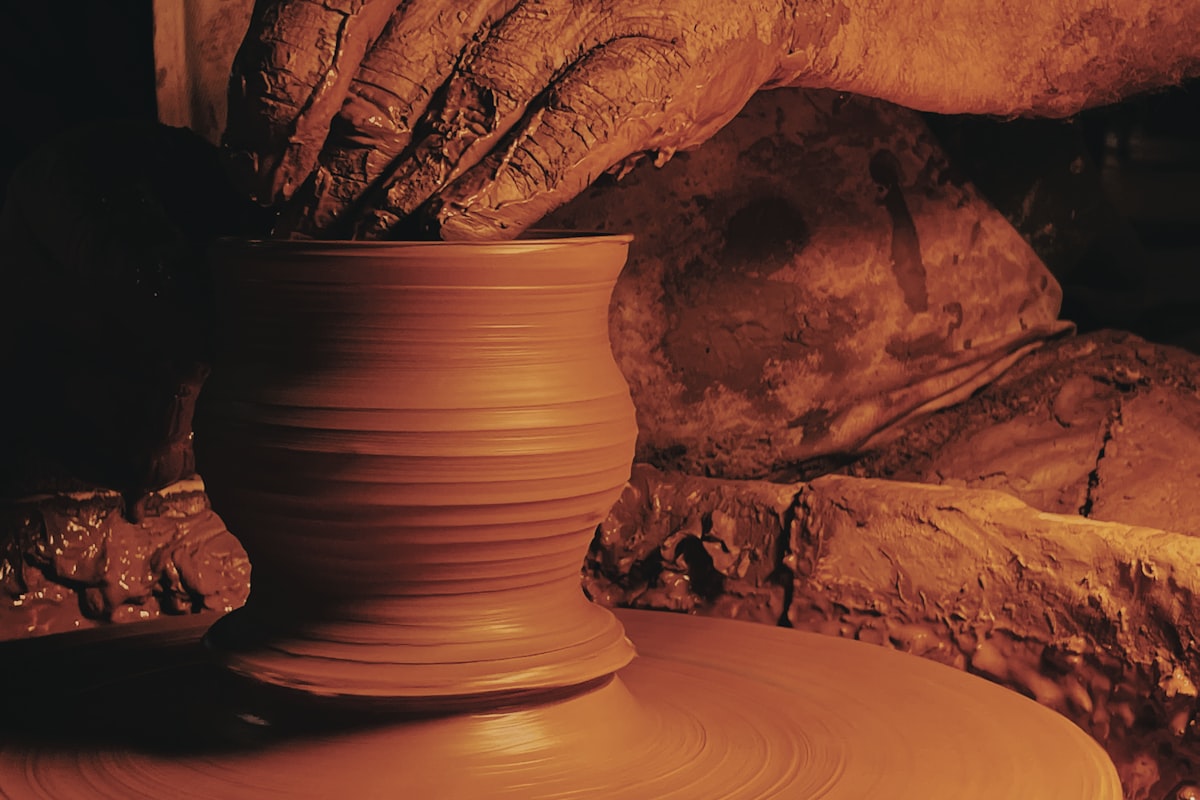
A freshly thrown pot is only half-finished. Trimming is where it gains its foot, its lightness and its grace.
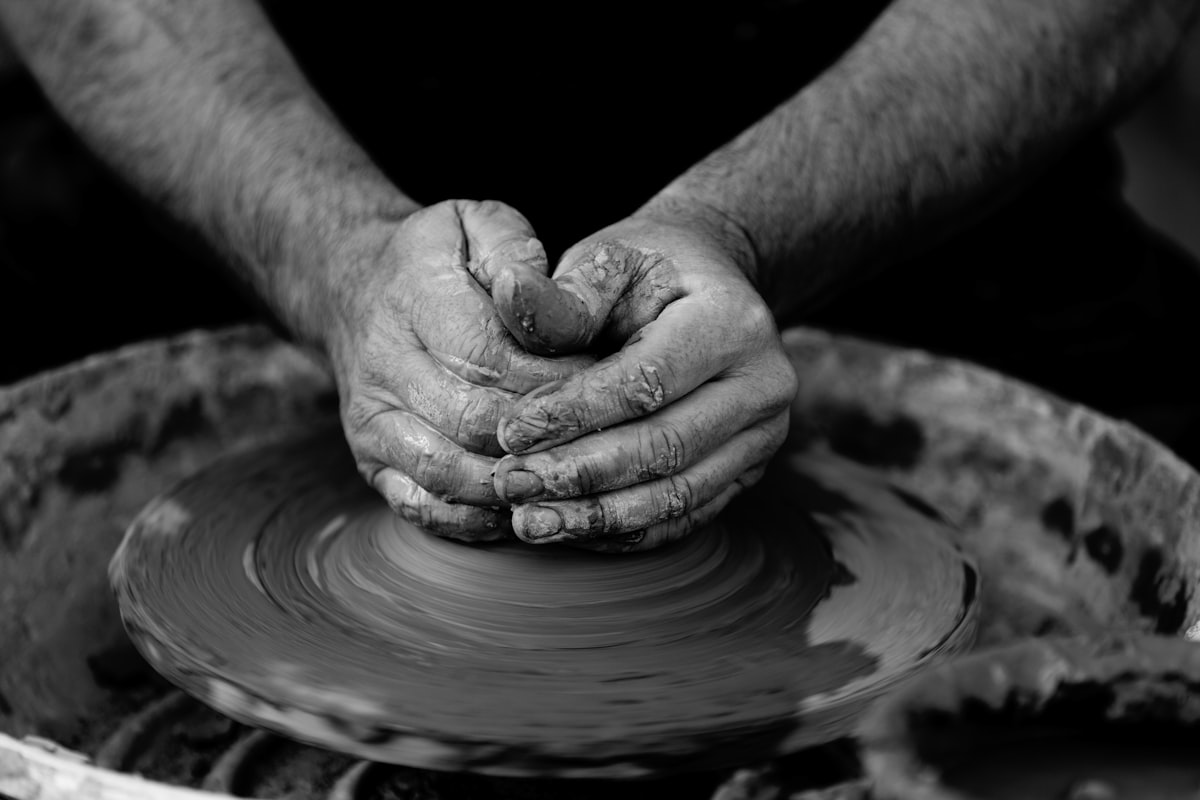
The handle is the part of a mug you touch most — and the hardest detail to get right.
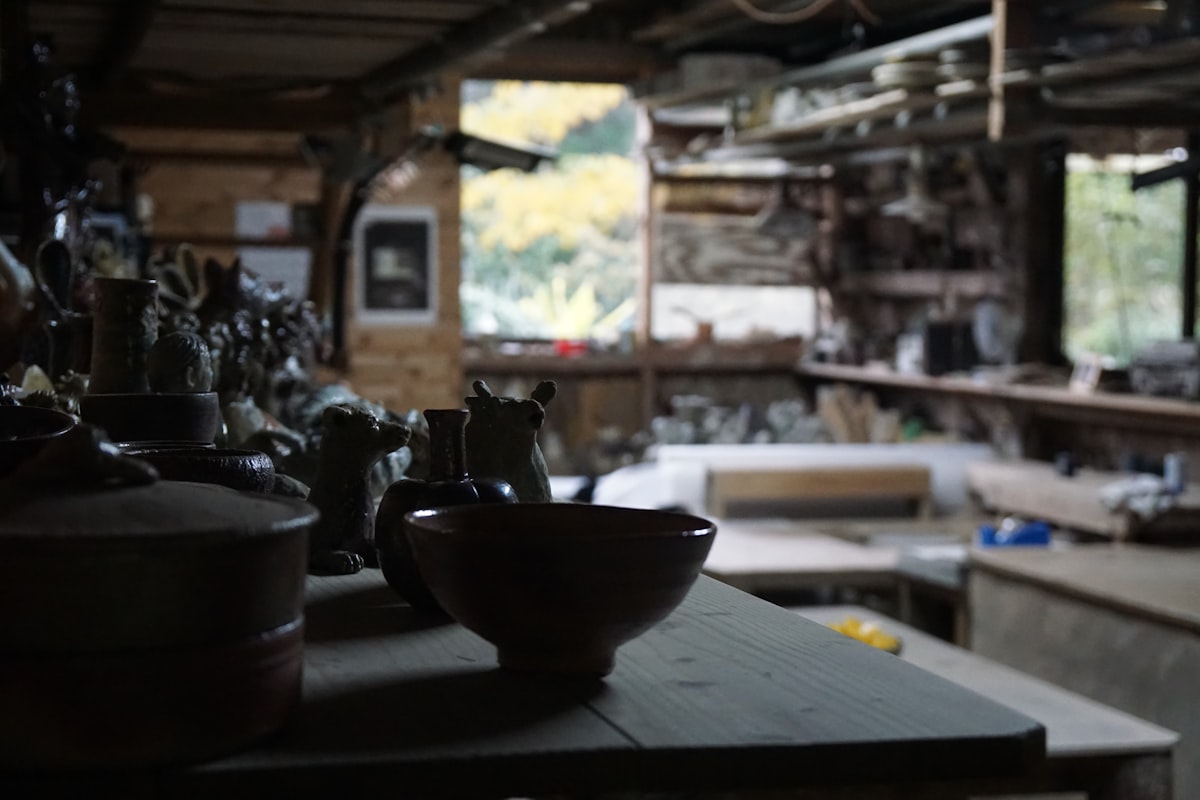
Before it ever sees a kiln, a finished pot must dry — slowly, evenly, and without being hurried.
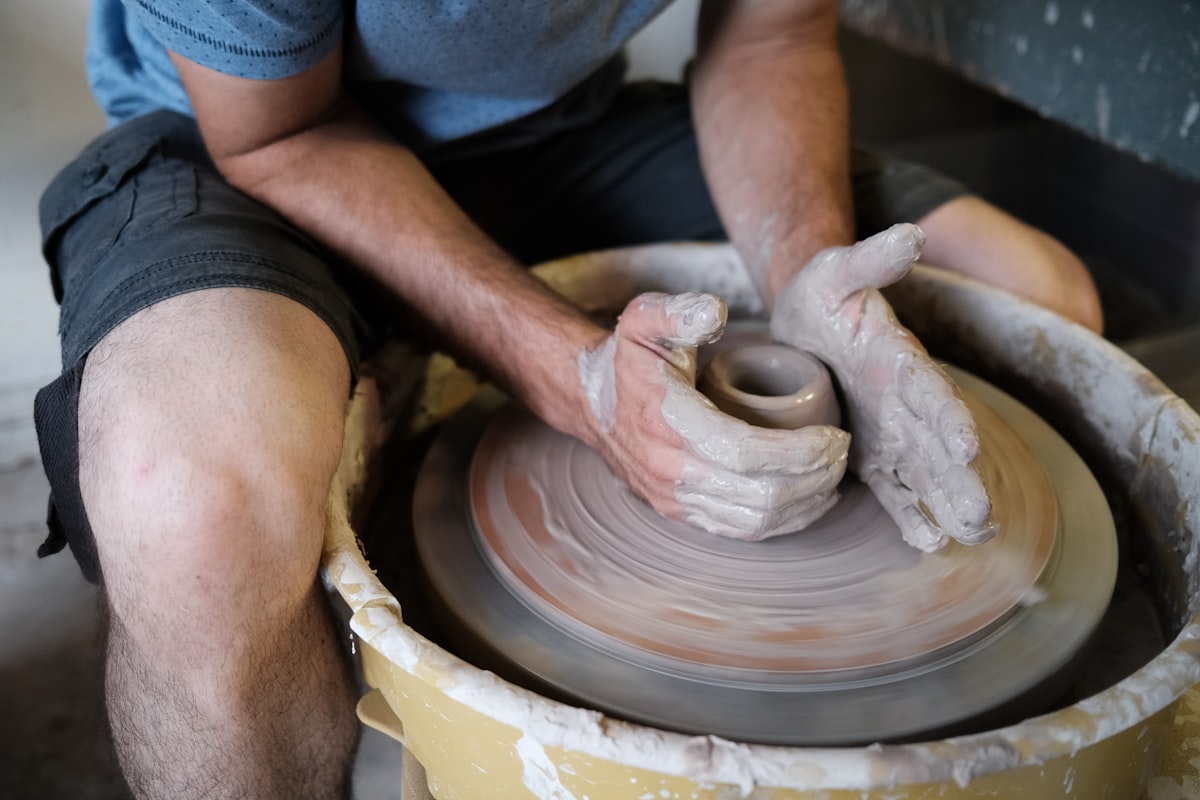
The first trip through the kiln transforms fragile clay into something solid, porous and ready to be glazed.
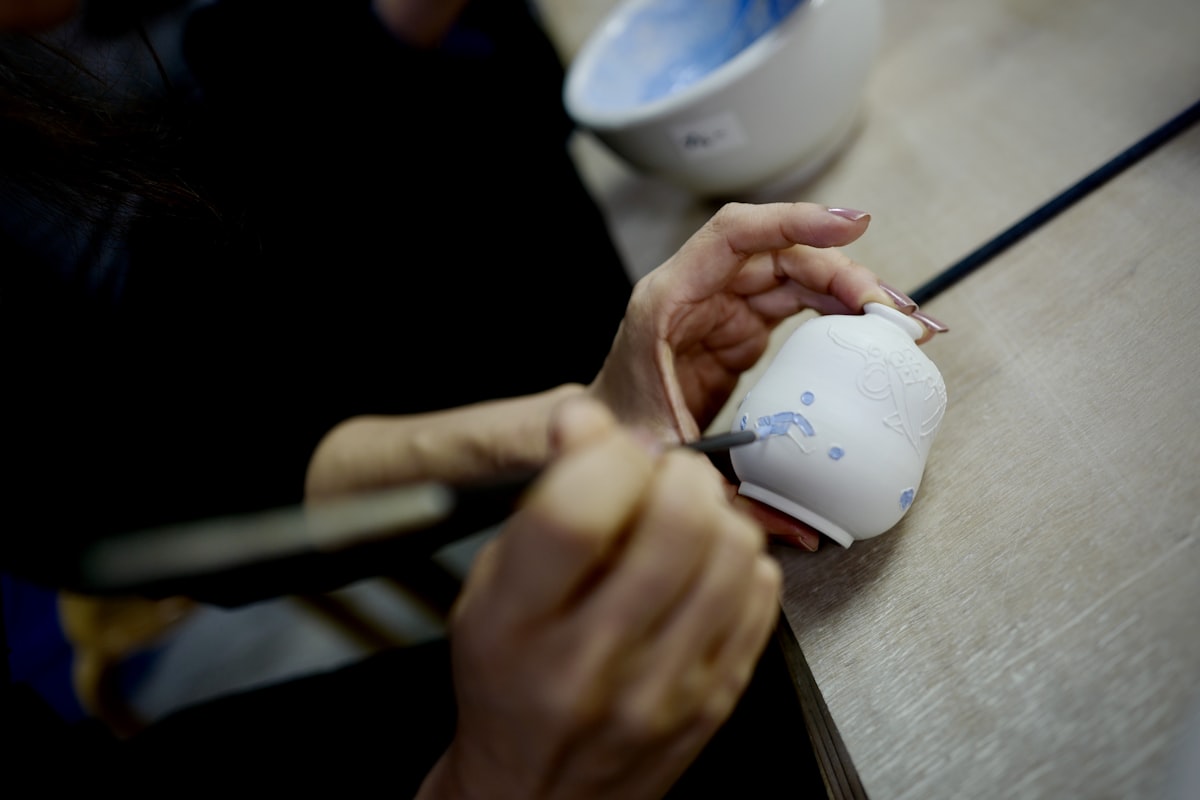
Glaze is the skin of a pot — its colour, its shine, and the sealed surface that makes it usable.
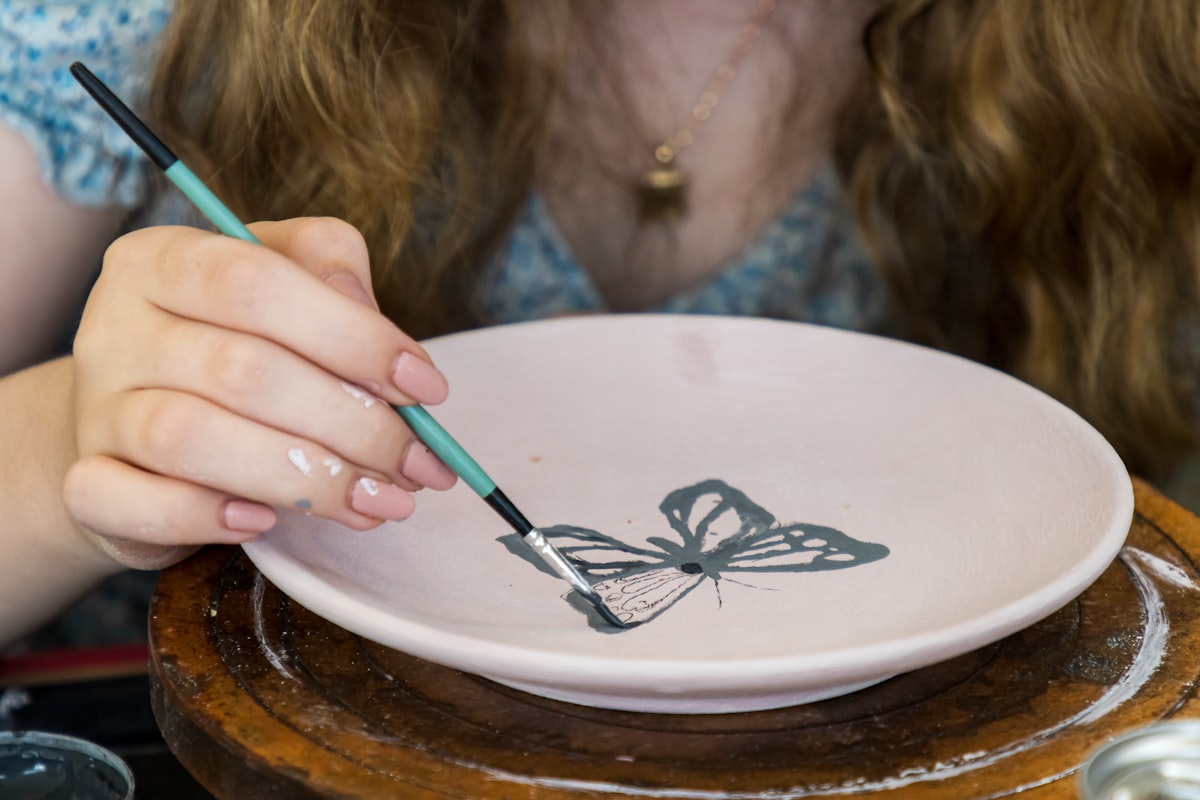
Why does grey mud turn glossy blue? The answer is a quiet kind of magic, governed by minerals and heat.
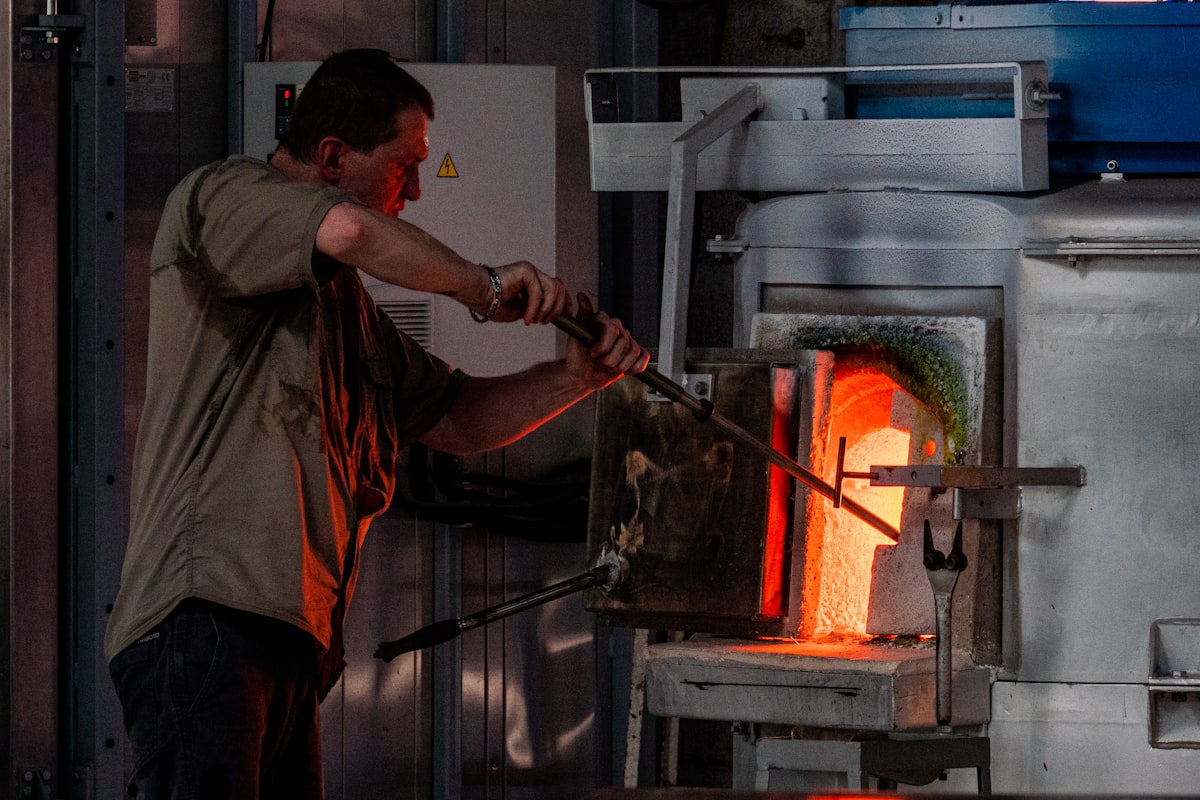
The second firing reaches white-hot temperatures and turns dull glaze into colour, gloss and a sealed, lasting surface.