Terracotta and Earthenware
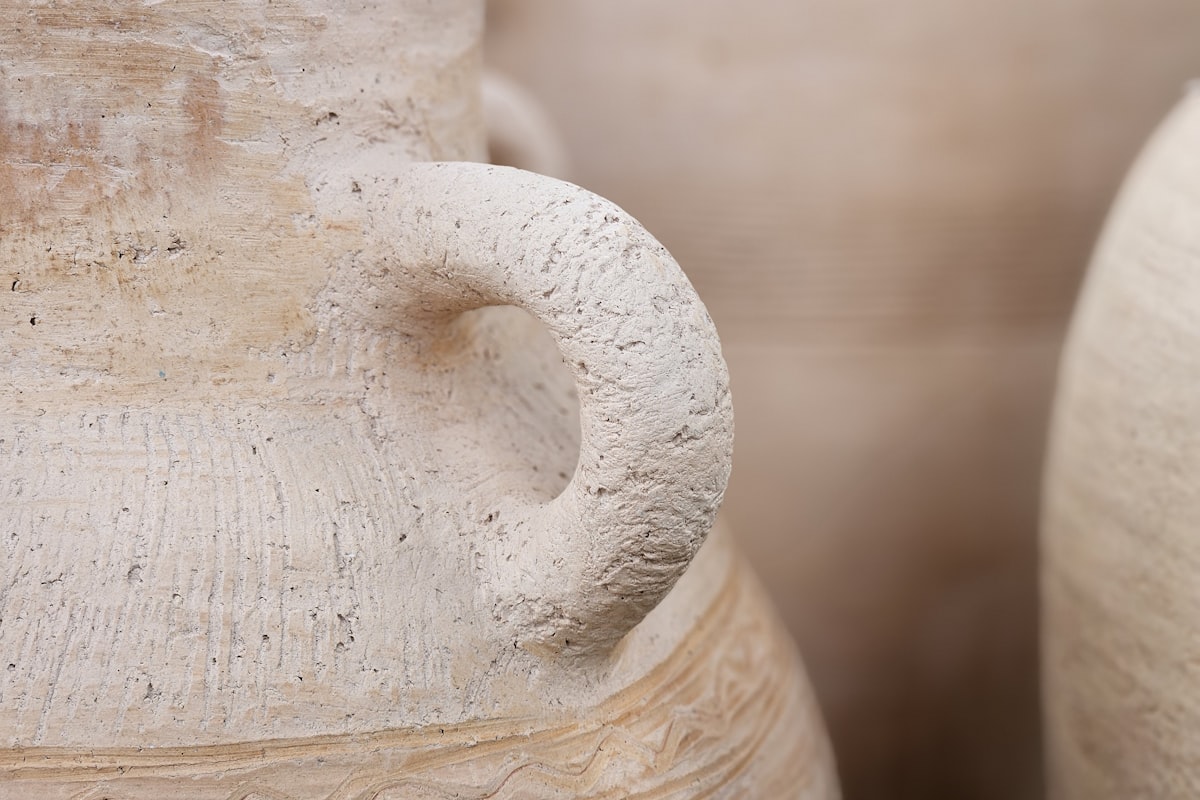
Photo: Deyan Sight / Unsplash
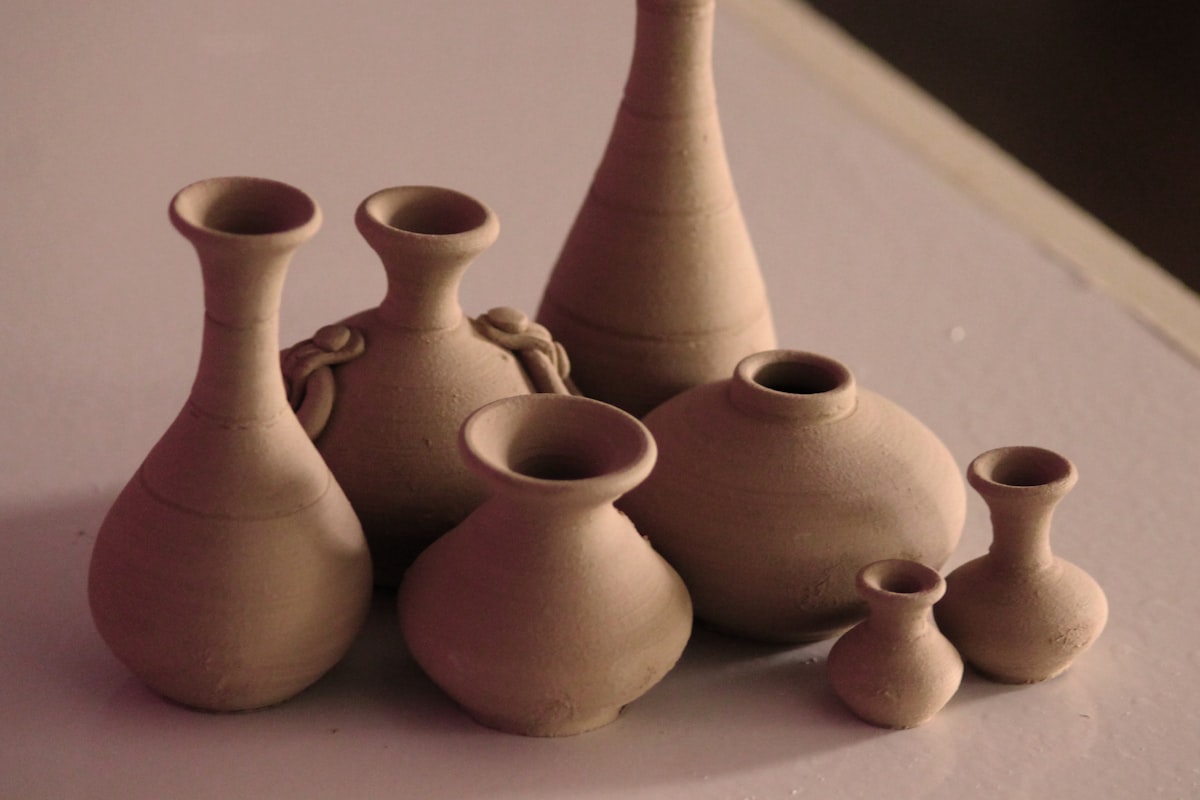
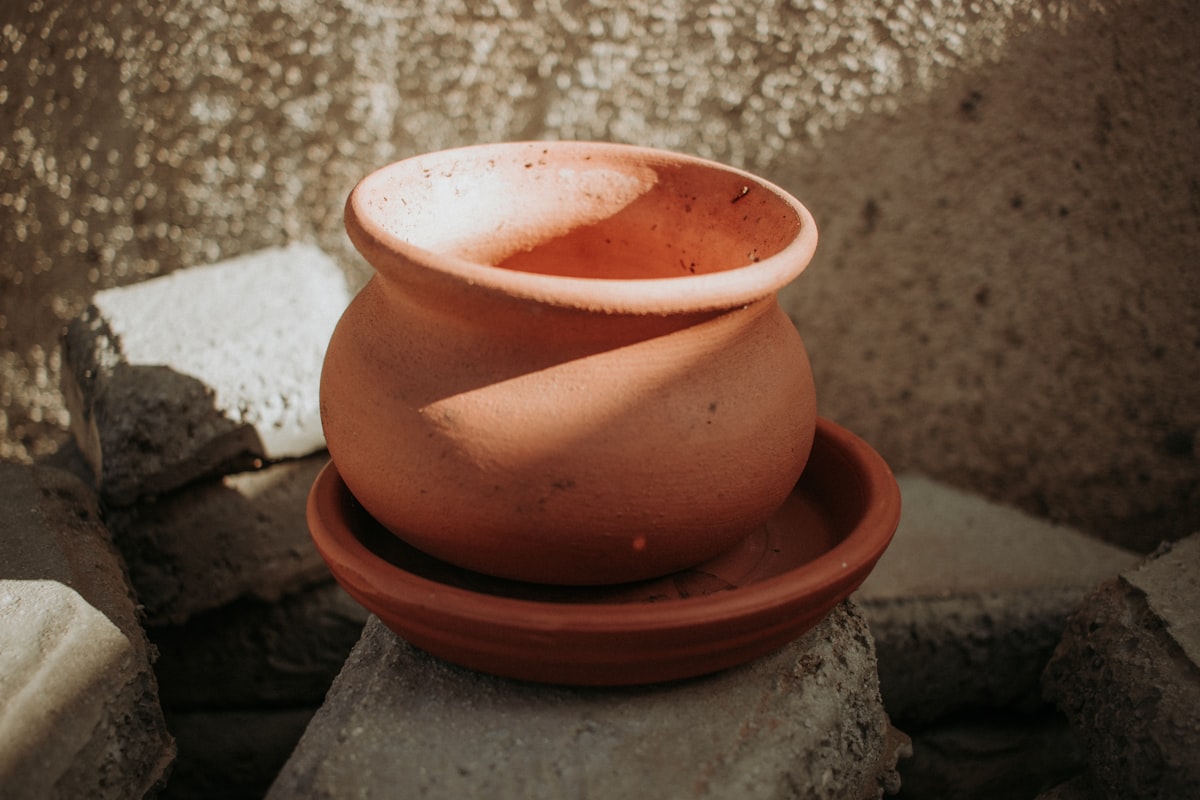
Earthenware is fired at lower temperatures and stays slightly porous, which gives it a soft, warm, rustic character. Terracotta — literally “baked earth” — is its best-known form, that familiar orange-red clay seen in plant pots and traditional cookware the world over.
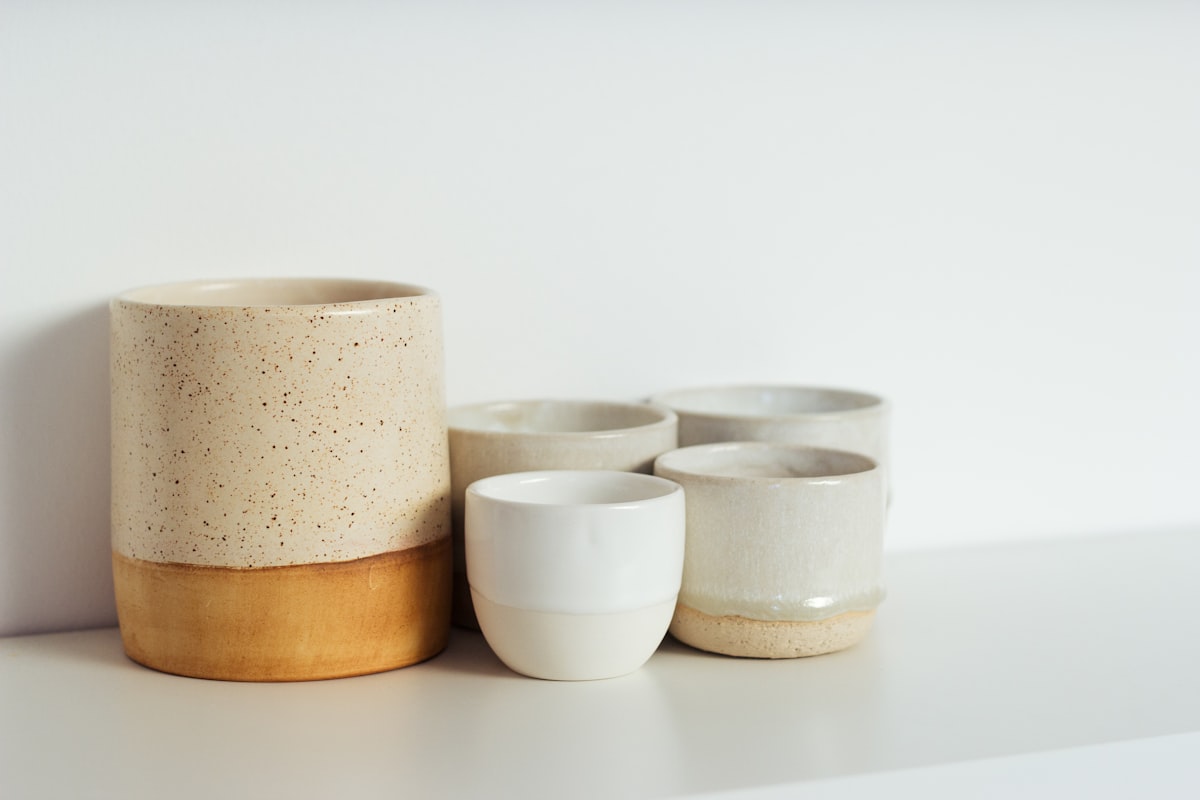
Because it is porous, earthenware is usually glazed to hold liquid, though for planters that breathability is a virtue: it lets roots breathe and excess water escape. The clay’s rich colour also makes a beautiful backdrop for bright, glossy glazes.
There is something deeply human about terracotta. It is the clay of the earliest pots and the humblest kitchens — proof that beauty and usefulness have always lived in simple, honest materials.